

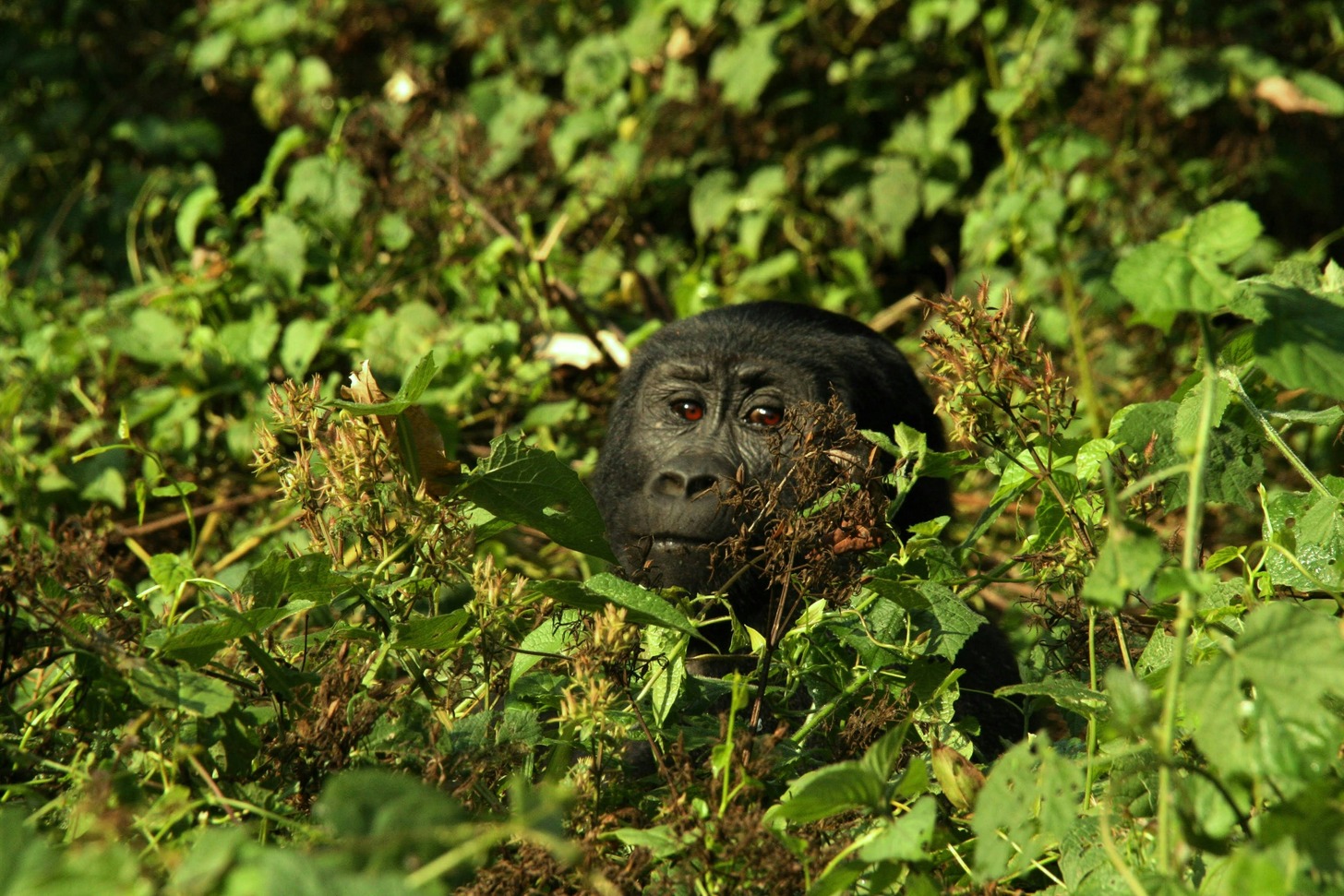
Walking into this lush, green forest feels like stepping back in time. Many people come here for Uganda gorilla trekking in Bwindi. But the park has so much more to offer than just gorillas.
This UNESCO World Heritage site is home to many rare species. Every path through the dense trees uncovers new wonders for those who explore.
As you explore the misty valleys, you’ll see colourful birds and unique mammals. To truly enjoy this place, look beyond the gorillas and appreciate its full beauty.
Key Takeaways
- The park is a UNESCO World Heritage site known for its immense biodiversity.
- Visitors can enjoy diverse wildlife experiences beyond the famous primate encounters.
- The region features unique bird species and rare mammals within its dense forest canopy.
- Planning your trip allows for a deeper appreciation of the local ecosystem.
- Every trek provides opportunities to witness the natural splendour of this protected area.
Exploring Bwindi Impenetrable National Park
Bwindi Impenetrable National Park is one of the oldest and most diverse rainforests. It has been around for thousands of years. It’s home to many species found nowhere else on Earth.
Overview of the Park’s Unique Ecosystem
The forest floor is full of life. It has a dense canopy that keeps moisture in. This creates a special microclimate for plants and animals.
Visitors are amazed by the forest’s size. Trekking through Bwindi lets you see this balance up close. You’ll move through thick, tangled woods.
Conservation Efforts in Bwindi
Keeping the forest safe is a big job. Local authorities work hard to protect it. Every visitor helps by exploring responsibly.
Getting a gorilla permit is a must for visitors. These permits keep the number of people low. This helps protect the wildlife.
The money from gorilla permits goes to conservation. By trekking in Bwindi, you help save mountain gorillas and their home.
Other Primates to Spot in Bwindi
Your East Africa gorilla trek can become even more rewarding when you spot smaller, agile primates in the canopy. While mountain gorillas get most of the attention, Bwindi Impenetrable National Park is home to many other fascinating species. Keep your binoculars ready to see a vibrant world of movement high above the forest floor.
Chimpanzees: Our Close Relatives
Chimpanzees are captivating, right after the gorillas. They are our closest living relatives, sharing a lot of DNA with humans. This is seen in their complex social structures and expressive behaviours. Seeing them on an East Africa gorilla trek offers a unique look into primate evolution.
These intelligent creatures are very active and often travel in large, noisy groups. You might hear their distinct pant-hoots echoing through the trees long before you see them. They spend a lot of time foraging for fruit and leaves, showing off their dexterity and problem-solving skills.
Colobus Monkeys: The Spectacular Swingers
The colobus monkeys are the true acrobats of the Bwindi canopy. With their striking black and white coats and long, flowing tails, they are easily recognisable as they leap between branches with incredible precision. Watching these spectacular swingers navigate the dense foliage is a highlight for any visitor on an East Africa gorilla trek.
Unlike some other monkey species, colobus monkeys are mainly leaf-eaters, which helps them thrive in the high canopy. They are social animals that often live in small family groups. Their agility is unmatched, and they can cover vast distances without ever touching the ground.
| Primate Species | Primary Diet | Social Structure | Activity Level |
|---|---|---|---|
| Mountain Gorilla | Vegetation | Stable Groups | Low to Moderate |
| Chimpanzee | Fruit and Leaves | Fission-Fusion | High |
| Colobus Monkey | Leaves | Small Troops | Very High |
Birdwatching Opportunities in Bwindi
A world of birds awaits in Bwindi Impenetrable National Park. It’s a top spot for bird lovers, with over 350 bird species. Birdwatching here adds to the joy of seeing gorillas, showing the park’s rich life.
Notable Bird Species to Observe
The park is known for its unique birds. Look out for the African Green Broadbill, a rare sight. You might also see the Shelley’s Crimson-wing and the Francolin.
Don’t forget your binoculars for the Turacos. These colourful birds brighten up the forest. Whether you’re new or experienced, you’ll find something special.
Best Times for Birdwatching
Choose the right time for your visit. The dry seasons, from June to August and December to February, are best. These months are also great for gorilla trekking in Uganda.
In these dry months, the forest is easier to explore. You’ll see more birds. The table below helps plan your trip.
| Season | Weather Conditions | Birding Potential |
|---|---|---|
| Dry Season | Mild and Sunny | Excellent Visibility |
| Wet Season | Frequent Rainfall | High Migratory Activity |
| Transition | Variable | Moderate Activity |
The Rich Flora of Bwindi
Walking through the ancient forest, you see a world of plants. The forest floor is covered in thousands of flowering plants. This creates a vibrant base for the whole habitat.
Medicinal Plants and Their Importance
Local communities have lived with this forest for years. They use its plants for medicine. These plants help with many health problems, from digestion to skin issues.
These plants are key to the forest’s health. They help keep the ecosystem balanced. Protecting these plants is vital for the forest’s survival.
Endemic Plant Species
Bwindi has plants found nowhere else. These plants make the forest unique. Every step is like discovering something new.
People who notice the plants feel closer to nature. It turns a simple walk into a learning experience. This is why gorilla trekking is so special for nature lovers.
| Plant Category | Primary Use | Ecological Role |
|---|---|---|
| Medicinal Herbs | Traditional Healing | Soil Stabilization |
| Hardwood Trees | Forest Canopy | Carbon Sequestration |
| Endemic Ferns | Scientific Research | Micro-habitat Support |
Cultural Interactions with Local Communities
The spirit of Bwindi shines through the eyes of its people. The forest is known for its primates, but the humans add a special layer. Talking to the locals connects visitors to the area’s rich heritage.
This connection makes your gorilla trek more than just seeing animals. It shows the strong link between people and nature. Learning about their history helps you understand why this place is so special.
Engaging with the Batwa People
The Batwa are the forest’s original inhabitants. They lived in harmony with the forest, using it for food, medicine, and shelter. Their way of life was deeply connected to the wild.
Now, the Batwa live outside the park. Meeting them lets you hear their stories and see their strength. You can learn about their hunting skills and how they moved through the forest.
Local Crafts and Traditions
Local crafts show the community’s spirit. Families make baskets, wood carvings, and beadwork that tell their stories. These items help local schools and healthcare.
Joining a craft workshop helps the local economy. It also gives you a special memory of Uganda. Adding these cultural visits to your gorilla trek helps the area grow sustainably.
| Activity | Cultural Significance | Visitor Benefit |
|---|---|---|
| Batwa Forest Walk | Preserves ancient survival skills | Deep historical insight |
| Craft Workshops | Showcases traditional artistry | Supports local livelihoods |
| Traditional Dance | Celebrates community milestones | Immersive cultural joy |
Tips for a Memorable Wildlife Experience in Bwindi
Your adventure into the wild starts long before you step onto the forest floor. Getting your Bwindi Impenetrable National Park gorilla permit is the first step. It ensures your place in this unique ecosystem.
Pack sturdy, waterproof hiking boots for the steep and muddy terrain. Wear lightweight, long-sleeved clothing to protect your skin from dense vegetation and insects. A waterproof jacket is key for the unpredictable rainforest climate.
Essential Gear for Your Trek
Carry a small backpack with water, snacks, and camera equipment. Keep your gear light to stay balanced on uneven paths. Gardening gloves help you grip branches safely in the thick undergrowth.
Guidelines for Responsible Wildlife Viewing
Respect the natural habitat by keeping a safe distance from animals. Always follow your guide’s instructions for your safety and the wellbeing of the primates. Choosing the Best time for gorilla trekking in Uganda helps you avoid heavy rains. This makes your experience more comfortable and sustainable. Enjoy your journey into this magnificent wilderness.
FAQs: Wildlife You Can See Beyond Mountain Gorillas in Bwindi
What wildlife can I expect to see during Uganda gorilla trekking in Bwindi besides the mountain gorillas?
How do I obtain a Bwindi Impenetrable National Park gorilla permit?
Are there other primates to spot while on an East Africa gorilla trek?
What makes the gorilla trekking experience in Bwindi unique for birdwatchers?
When is the best time for gorilla trekking in Uganda to ensure good weather?
Can I learn about the local culture during my visit to Bwindi?
What should I pack for my trekking adventure in the rainforest?

RELATED ARTICLES


